Essential Electrical Maintenance Practices for Commercial Properties

Author: Andy Weiss | | Categories: electrical compliance , Preventative Electrical Services , property management , Commercial Electrical Maintenance

data/org/24104/media/tmp/RytCzTSQxn2wgqqnS3gg_92708f6a-a5f5-7219-d2769230d322e688.jpeg

Why Commercial Electrical Maintenance Is Critical for Your Property
As a property manager or business owner, the reliability and safety of your building’s electrical systems are non-negotiable. Commercial electrical maintenance is not just about fixing issues as they arise; it’s about proactively safeguarding your property, ensuring operational continuity, and protecting your investment. Neglecting preventative electrical services can result in costly downtime, safety hazards, and even legal liabilities. By prioritizing regular electrical system inspections and adhering to proven property management electrical tips, you ensure your property meets the highest standards of electrical compliance for businesses, while also optimizing performance and efficiency.

Understanding the Scope of Preventative Electrical Services

Preventative electrical services go far beyond basic repairs. They encompass a strategic approach to maintaining all components of your electrical infrastructure, from switchgear and panels to lighting and emergency systems. When you invest in routine inspections and servicing, you’re not just extending the lifespan of your equipment—you’re also minimizing the risk of unexpected failures that can disrupt business operations.

Key elements of preventative electrical services include:

  • Scheduled Electrical System Inspections: Regularly assessing the condition of wiring, circuit breakers, and outlets to detect early signs of wear or malfunction.
  • Thermal Imaging and Load Testing: Using advanced diagnostics to identify hotspots, overloaded circuits, or potential fire hazards before they become critical.
  • Cleaning and Tightening Connections: Ensuring all electrical connections remain clean, secure, and corrosion-free to prevent overheating and voltage drops.
  • Updating Documentation: Keeping accurate records of inspections, repairs, and modifications to support future maintenance and compliance audits.

Electrical System Inspections: What Should You Expect?

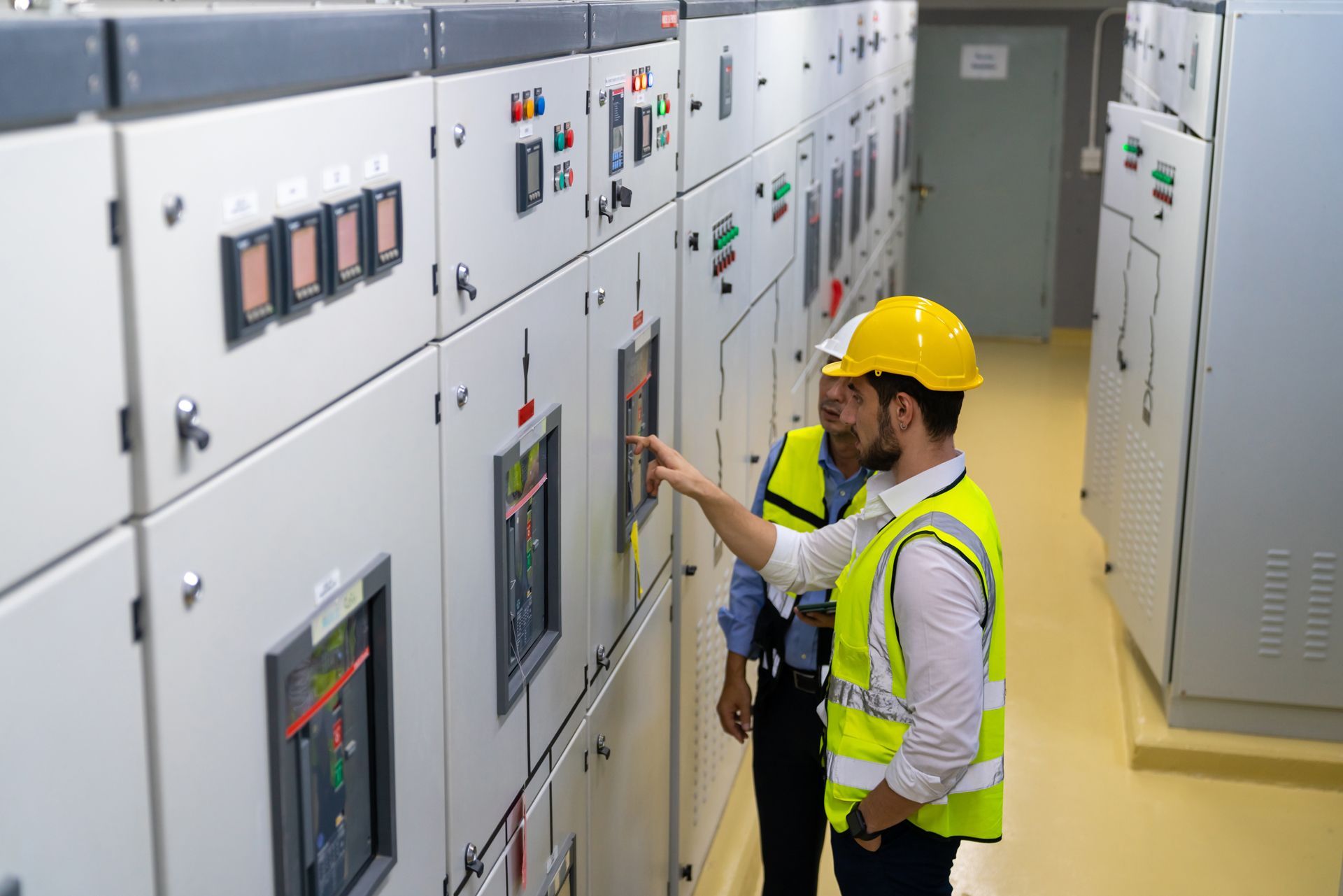
Routine electrical system inspections are the cornerstone of effective commercial electrical maintenance. During a professional inspection, technicians methodically evaluate the entire electrical infrastructure of your property. This process is designed to catch both visible and hidden issues that could compromise safety or efficiency.

  • Visual Assessments: Inspecting panels, switchboards, and visible wiring for signs of wear, overheating, or code violations.
  • Functional Testing: Verifying that emergency lighting, backup generators, and safety systems operate correctly when needed.
  • Compliance Checks: Ensuring your property’s electrical systems meet all relevant codes and standards for electrical compliance for businesses.
  • Reporting and Recommendations: Providing a detailed report outlining any deficiencies, recommended repairs, or upgrades to enhance safety and performance.

By scheduling these inspections at regular intervals, you can address minor issues before they escalate, reducing the likelihood of costly repairs or unplanned outages.

Property Management Electrical Tips for Maximizing Safety and Efficiency

Effective property management requires more than just responding to electrical problems as they arise. Proactive strategies can significantly reduce risks and optimize the performance of your building’s electrical systems. Consider integrating these property management electrical tips into your routine:

  • Establish a Maintenance Schedule: Work with a trusted commercial electrical maintenance provider to create a customized schedule based on your property’s age, usage, and specific needs.
  • Train On-Site Staff: Equip your maintenance team with the knowledge to recognize early warning signs of electrical issues, such as flickering lights, unusual odors, or tripped breakers.
  • Prioritize High-Risk Areas: Give special attention to critical systems like emergency lighting, HVAC controls, and security systems, as failures here can have severe consequences.
  • Document All Work: Maintain comprehensive records of all inspections, repairs, and upgrades to streamline future maintenance and demonstrate compliance during audits.
  • Upgrade Outdated Components: Replace aging wiring, panels, or fixtures with modern, energy-efficient alternatives to improve safety and reduce operating costs.

By following these property management electrical tips, you not only protect your tenants and assets but also position your property for long-term success.

Ensuring Electrical Compliance for Businesses

Staying compliant with local, state, and federal electrical regulations is a fundamental responsibility for any business or property manager. Electrical compliance for businesses is not just about avoiding fines—it’s about creating a safe environment for employees, customers, and visitors. Regulatory bodies frequently update standards, making it essential to stay proactive and informed.

  • Understand Applicable Codes: Familiarize yourself with the National Electrical Code (NEC) and any local amendments that govern commercial properties in your region.
  • Schedule Regular Compliance Audits: Partner with qualified professionals to conduct periodic audits, ensuring your systems remain up-to-date and fully compliant.
  • Address Violations Promptly: If inspections reveal any code violations, prioritize corrective action to mitigate risks and avoid penalties.
  • Implement Safety Signage and Procedures: Clearly mark electrical panels, emergency shutoffs, and hazardous areas to support safe operations and facilitate emergency response.

By embedding compliance into your commercial electrical maintenance strategy, you demonstrate a commitment to safety and operational excellence.

The Role of Preventative Electrical Services in Reducing Downtime

Downtime is a significant concern for commercial property owners and managers. Even a brief interruption in electrical service can disrupt business operations, inconvenience tenants, and lead to financial losses. Preventative electrical services are your first line of defense against these disruptions.

  • Early Detection of Issues: Routine inspections help identify potential problems—such as overloaded circuits or deteriorating components—before they result in outages.
  • Scheduled Repairs: Addressing minor issues during planned maintenance windows minimizes the need for emergency repairs that could disrupt business activities.
  • System Upgrades: Upgrading outdated systems with modern, reliable components reduces the risk of unexpected failures and enhances overall efficiency.

Investing in commercial electrical maintenance not only protects your bottom line but also enhances your reputation as a responsible property manager or business owner.

Integrating Technology for Smarter Electrical System Inspections

Advancements in technology are transforming the way electrical system inspections are conducted. Modern diagnostic tools and smart monitoring solutions provide deeper insights into your property’s electrical health, enabling more precise and proactive maintenance.

  • Remote Monitoring: Smart sensors and IoT devices can continuously track system performance, alerting you to anomalies in real time.
  • Thermal Imaging Cameras: These devices detect heat signatures that indicate potential issues like overloaded circuits or failing components, allowing for targeted interventions.
  • Data Analytics: Analyzing maintenance and performance data helps you identify patterns, predict failures, and optimize maintenance schedules for maximum efficiency.

By leveraging these technologies, you gain a comprehensive view of your electrical systems, empowering you to make informed decisions and further reduce the risk of unexpected downtime.

Best Practices for Scheduling Commercial Electrical Maintenance

Establishing a consistent schedule for commercial electrical maintenance is essential for minimizing disruptions and extending the life of your property’s infrastructure. When you implement a structured maintenance program, you proactively address wear and tear before it escalates into costly repairs or hazardous situations. The frequency of inspections and maintenance tasks should be determined by the age of your building, the complexity of its electrical systems, and the intensity of daily usage.

  • For newer properties, annual inspections may suffice, but older buildings or those with high electrical loads often benefit from semi-annual or even quarterly reviews.
  • Seasonal changes can impact electrical systems, so consider scheduling inspections before periods of peak usage, such as summer for HVAC loads or winter for heating systems.
  • Document all maintenance activities and coordinate with your electrical service provider to ensure nothing is overlooked during routine visits.

By adhering to a disciplined schedule, you not only comply with industry standards but also reinforce the overall safety and reliability of your property’s electrical infrastructure.

Addressing Common Electrical Issues in Commercial Properties

Commercial buildings present unique challenges when it comes to electrical maintenance. Understanding the most frequent issues can help you anticipate problems and take preventive measures. Some of the most common concerns include:

  • Overloaded Circuits: With the increasing demand for technology and equipment, circuits can easily become overloaded, leading to tripped breakers or, in severe cases, electrical fires.
  • Worn or Damaged Wiring: Aging insulation, rodent damage, or improper installations can cause wiring to deteriorate, increasing the risk of shorts or outages.
  • Faulty Outlets and Switches: High-traffic areas often experience wear on outlets and switches, which can result in intermittent power or safety hazards.
  • Lighting Failures: Flickering or non-functional lighting can disrupt business and indicate deeper electrical issues such as ballast failure or faulty wiring.
  • Equipment Malfunctions: Sensitive electronics and machinery are susceptible to power fluctuations, emphasizing the need for surge protection and regular system checks.

Promptly addressing these issues through preventative electrical services reduces downtime and helps you avoid more significant complications down the road.

Enhancing Energy Efficiency Through Electrical System Inspections

Regular electrical system inspections are invaluable for identifying opportunities to improve energy efficiency within your commercial property. These inspections can reveal outdated lighting, inefficient motors, or unnecessary power consumption that may be driving up utility costs. By addressing inefficiencies, you not only reduce operational expenses but also contribute to your organization’s sustainability goals.

  • Upgrade to LED lighting and smart controls to decrease energy usage and maintenance needs.
  • Consider installing occupancy sensors in common areas to ensure lights are only on when needed.
  • Evaluate HVAC controls and motor systems for optimization, as these are often significant sources of energy consumption.
  • Schedule regular maintenance for all major systems to ensure they are running at peak efficiency.

Taking a proactive approach to energy management during electrical maintenance delivers long-term savings and supports a more environmentally responsible operation.

Training Staff on Property Management Electrical Tips

Your on-site team plays a vital role in the ongoing safety and performance of your electrical systems. Providing training on property management electrical tips empowers staff to recognize and respond to early warning signs, minimizing the risk of major incidents. Effective training should cover:

  • How to identify the signs of electrical distress, such as unusual noises, odors, or heat from outlets and panels.
  • Proper protocols for reporting electrical issues to ensure they are addressed by qualified professionals.
  • Safe practices for resetting breakers or replacing fuses without compromising personal safety.
  • Basic emergency response procedures in the event of an electrical fire or power outage.

When your team is well-informed, they serve as the first line of defense in maintaining compliance and preventing costly interruptions.

Staying Ahead of Regulatory Changes in Electrical Compliance for Businesses

The landscape of electrical compliance for businesses is constantly evolving. Local, state, and federal regulations are updated to reflect new safety standards, technological advancements, and environmental considerations. Keeping your property compliant requires ongoing vigilance and a willingness to adapt your maintenance strategies.

  • Subscribe to industry newsletters and participate in professional associations to stay informed about upcoming changes in electrical codes and standards.
  • Engage with licensed electrical contractors who are familiar with the latest requirements and can offer guidance on necessary upgrades or modifications.
  • Maintain detailed records of all inspections, repairs, and equipment upgrades to demonstrate compliance during audits or inspections.
  • Conduct periodic internal reviews to ensure all systems, signage, and emergency procedures align with current regulations.

By prioritizing regulatory awareness, you reduce the risk of penalties and foster a culture of safety and accountability throughout your organization.

Leveraging Preventative Electrical Services for Business Continuity

Business continuity hinges on the reliability of your electrical systems. Preventative electrical services are designed to identify vulnerabilities before they disrupt daily operations. When you implement a proactive maintenance plan, you gain peace of mind knowing that critical systems are being monitored and maintained to the highest standards.

  • Regularly test backup generators and uninterruptible power supplies to ensure they function during outages.
  • Inspect and maintain security and communication systems, which are vital for both safety and business operations.
  • Evaluate surge protection and grounding systems to safeguard sensitive equipment from power fluctuations.
  • Schedule after-hours maintenance to minimize disruption to tenants and business activities.

These strategies help you maintain seamless operations, protect valuable assets, and uphold your reputation as a responsible property manager or business owner.

Integrating Preventative Electrical Services into Facility Management Plans

Integrating commercial electrical maintenance into your broader facility management plan ensures a holistic approach to property care. Electrical systems do not operate in isolation; they interact with HVAC, security, lighting, and other building systems. Coordinating maintenance across these areas maximizes efficiency and reduces the likelihood of system conflicts or redundancies.

  • Develop a comprehensive facility management plan that includes scheduled electrical inspections alongside other critical maintenance tasks.
  • Use centralized record-keeping to track maintenance across all building systems, simplifying compliance and audit preparation.
  • Work with multidisciplinary teams to identify overlapping maintenance windows, reducing downtime and streamlining operations.
  • Leverage facility management software to automate reminders and track the status of ongoing maintenance activities.

This integrated approach enhances the reliability and longevity of your property’s infrastructure, resulting in a safer and more productive environment for tenants and staff.

Choosing the Right Partner for Commercial Electrical Maintenance

Selecting a qualified partner for your commercial electrical maintenance needs is a critical decision. The right provider will not only deliver preventative electrical services but also offer expertise in electrical system inspections, compliance, and energy optimization. When evaluating potential partners, consider the following:

  • Look for a proven track record with commercial properties similar to yours in size and complexity.
  • Ensure technicians are licensed, certified, and up-to-date with the latest industry standards and technologies.
  • Assess the provider’s ability to deliver emergency response services in addition to scheduled maintenance.
  • Request references and case studies to gauge reliability, responsiveness, and overall service quality.
  • Prioritize companies that emphasize clear communication, detailed reporting, and a collaborative approach to problem-solving.

A strong partnership with a trusted electrical maintenance provider gives you confidence that your property is protected, compliant, and operating at peak efficiency.

Future Trends in Commercial Electrical Maintenance

The future of commercial electrical maintenance is shaped by technological innovation, sustainability initiatives, and evolving regulatory demands. Staying ahead of these trends positions your property for long-term success and resilience.

  • Smart building technologies are enabling real-time monitoring and predictive maintenance, reducing the need for reactive repairs.
  • Integration of renewable energy sources, such as solar panels and energy storage systems, is becoming more common in commercial properties.
  • Data-driven analytics are helping property managers optimize energy consumption and identify areas for improvement.
  • Enhanced focus on cybersecurity is necessary as more building systems become connected and remotely accessible.
  • Ongoing education and training for facility teams ensure your staff can effectively manage and adapt to new technologies and standards.

Embracing these advancements strengthens your property’s resilience, reduces operational costs, and supports a forward-thinking approach to property management.

Proactive Strategies for Long-Term Commercial Electrical Maintenance

Adopting a proactive approach to commercial electrical maintenance means you’re not simply reacting to issues as they arise—you’re actively preventing them. This mindset protects your property’s infrastructure, minimizes operational interruptions, and ensures the safety of everyone within your facility. When you integrate preventative electrical services into your long-term property management plan, you’re making a strategic investment in the reliability and efficiency of your business environment.

  • Schedule regular electrical system inspections to identify and address minor faults before they escalate.
  • Collaborate with experienced technicians who can provide expert recommendations for system upgrades and maintenance frequency based on your property’s unique demands.
  • Prioritize the modernization of outdated components, such as panels, breakers, and lighting systems, to enhance both safety and energy efficiency.
  • Utilize maintenance management software to track service history, automate reminders, and streamline communication between your team and service providers.

By embedding these practices into your operational routines, you ensure that your property remains compliant with evolving regulations and is always prepared for audits or inspections.

Strengthening Electrical Compliance for Businesses in Every Sector

Electrical compliance for businesses is not only a regulatory requirement—it’s a foundation for trust with tenants, employees, and visitors. Whether you manage office buildings, retail centers, industrial facilities, or public institutions, adherence to the latest codes and standards is essential. Staying informed about changes in the National Electrical Code (NEC) and local ordinances helps you avoid costly penalties and demonstrates your commitment to a safe, well-managed property.

  • Work closely with licensed professionals who maintain up-to-date knowledge of compliance requirements specific to your region and industry.
  • Implement a compliance checklist as part of your preventative electrical services to ensure all critical areas are reviewed during each inspection.
  • Regularly review and update emergency procedures, signage, and documentation to reflect any changes in your electrical infrastructure or regulatory landscape.

Proactively managing compliance safeguards your business reputation and supports uninterrupted operations, making your property more attractive to high-quality tenants and partners.

Reducing Risk and Liability Through Preventative Electrical Services

One of the most significant benefits of preventative electrical services is the reduction of risk and liability. Electrical faults are a leading cause of fires and safety incidents in commercial properties. By identifying hazards early—such as overloaded circuits, deteriorating insulation, or faulty equipment—you can prevent incidents that could lead to injury, property damage, or legal complications.

  • Ensure all electrical panels and equipment are clearly labeled and accessible for emergency responders and maintenance personnel.
  • Conduct routine testing of safety systems, including emergency lighting, alarms, and fire suppression controls, as part of your commercial electrical maintenance plan.
  • Provide ongoing safety training for your staff, so they can recognize and report electrical hazards promptly.

This commitment to risk management not only protects your assets but also creates a safer environment for everyone who interacts with your property.

Optimizing Operational Efficiency with Modern Electrical Solutions

Electrical system upgrades and efficiency improvements are key drivers of operational success. Modernizing your property’s electrical infrastructure can lead to substantial reductions in energy consumption, lower utility costs, and enhanced system reliability. During electrical system inspections, technicians can highlight areas where upgrades—such as LED lighting, smart controls, or energy-efficient HVAC systems—will deliver the greatest impact.

  • Replace outdated lighting with high-efficiency fixtures and incorporate automated controls to maximize savings.
  • Upgrade electrical panels and distribution systems to handle increased loads from today’s technology-driven workplaces.
  • Invest in surge protection and power quality solutions to safeguard sensitive equipment and reduce downtime.
  • Explore renewable energy options, such as solar installations, to further reduce operating costs and support sustainability initiatives.

Implementing these improvements positions your property as a leader in both performance and environmental responsibility, meeting the expectations of modern tenants and stakeholders.

Leveraging Data and Analytics for Smarter Maintenance Decisions

Data-driven decision-making is transforming property management. By leveraging analytics from your electrical system inspections and maintenance activities, you gain valuable insights into system performance, recurring issues, and areas for improvement. This information allows you to allocate resources more effectively and prioritize projects that deliver the highest return on investment.

  • Use maintenance software to generate reports on service history, asset condition, and compliance status.
  • Identify trends in equipment failures or service calls to address root causes and prevent future disruptions.
  • Benchmark your property’s electrical performance against industry standards to identify opportunities for additional savings or enhancements.

With these tools, you can confidently make informed decisions that support the long-term health and profitability of your property.

Customizing Electrical Maintenance Plans for Diverse Property Types

No two commercial properties are exactly alike, and your electrical maintenance plan should reflect your unique operational needs. Whether you oversee a single office building or a portfolio of retail, industrial, or public sector facilities, a customized approach ensures that every system receives the attention it requires.

  • Assess the specific demands of each property, from heavy machinery in industrial spaces to sensitive communications equipment in office environments.
  • Develop maintenance schedules that address the frequency and scope of inspections required for each building type.
  • Incorporate specialized services, such as security system maintenance or fiber optic network support, to meet the evolving needs of your tenants and users.

By customizing your commercial electrical maintenance strategy, you enhance the safety, reliability, and value of every property under your management.

Building a Culture of Safety and Accountability

Creating a culture where safety and accountability are at the forefront of your property management philosophy benefits every stakeholder. When you prioritize preventative electrical services and empower your team with clear protocols and training, you foster an environment where potential issues are quickly addressed and compliance is second nature.

  • Encourage open communication between staff, tenants, and service providers to ensure that electrical concerns are reported and resolved promptly.
  • Recognize and reward proactive behaviors, such as timely reporting of hazards or participation in safety training sessions.
  • Integrate safety goals into your broader property management objectives to reinforce their importance at every level of your organization.

This approach not only reduces the likelihood of incidents but also enhances tenant satisfaction and retention by demonstrating your commitment to their well-being.

Partnering with Experts for Seamless Electrical Maintenance

Collaborating with a trusted provider for commercial electrical maintenance ensures you have access to the expertise and resources needed to keep your property running smoothly. Professional technicians bring a wealth of experience in preventative electrical services, electrical system inspections, and compliance management. Their support allows you to focus on your core responsibilities, knowing that your property’s electrical systems are in capable hands.

  • Benefit from comprehensive service offerings, including emergency response, routine maintenance, and system upgrades.
  • Receive detailed documentation and transparent reporting after every service, supporting your compliance and audit requirements.
  • Access ongoing support and consultation to address emerging challenges, regulatory changes, or new technology integrations.

Establishing a long-term partnership with specialists in commercial electrical maintenance streamlines your operations and provides peace of mind for you and your stakeholders.

Supporting Your Success with Comprehensive Electrical Solutions

Your commitment to proactive electrical maintenance is a powerful investment in the future of your property. With the right strategies, tools, and partnerships, you can ensure your building remains safe, compliant, and efficient—no matter how your needs evolve. Universal Power & Systems, Inc. is dedicated to supporting you with a full spectrum of commercial electrical maintenance services, from preventative electrical services and electrical system inspections to compliance management and advanced technology integration.

  • Work with a team that understands the unique challenges of commercial, industrial, and public sector facilities.
  • Rely on 24/7 emergency support to address urgent issues and minimize downtime.
  • Enhance your property’s value and operational resilience with expert guidance and innovative solutions.

If you’re ready to optimize your electrical maintenance strategy and protect your investment, connect directly with Universal Power & Systems, Inc. at service@upands.com to discuss your specific requirements and discover how expert support can make a difference for your property.


READ MORE BLOG ARTICLES

Top