Future-Proofing Your Facility: Key Considerations for Electrical System Upgrades

Author: Andy Weiss | | Categories: commercial electrical solutions , electrical compliance , facility modernization , industrial electrical upgrades , electrical system upgrades

data/org/24104/media/tmp/tCtKog16Qauz5yeo65Pc_ad2bd127-055d-0ab6-25fbe23beb8b0447.jpeg

Why Electrical System Upgrades Are Essential for Modern Facilities

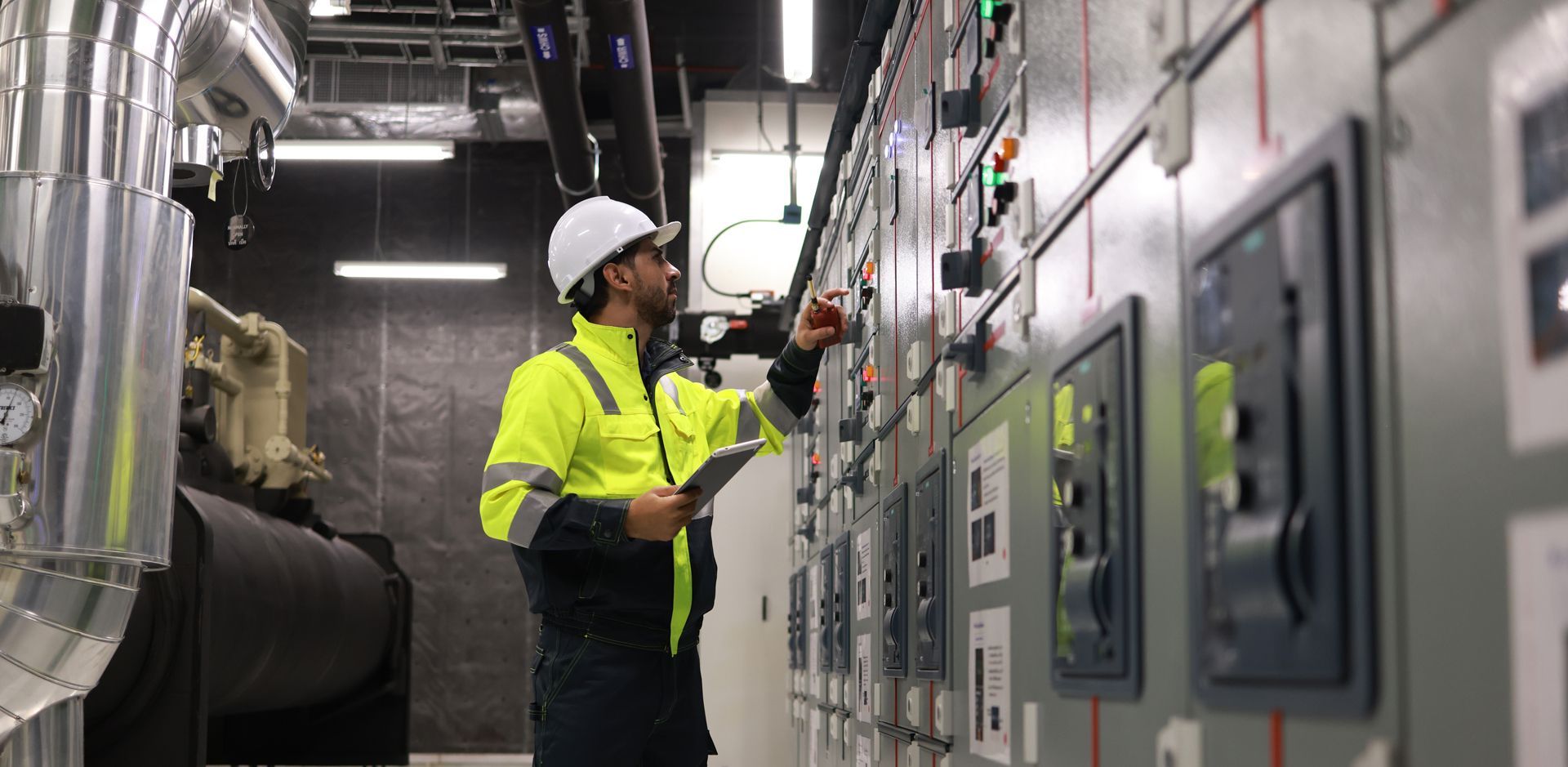
If you manage or own a commercial or industrial facility, you understand that your electrical infrastructure is the backbone of safe, efficient, and uninterrupted operations. As technology advances and regulations shift, the systems you rely on today may not meet tomorrow’s demands. Prioritizing electrical system upgrades is no longer a matter of preference—it’s a strategic necessity for facility modernization and long-term resilience.

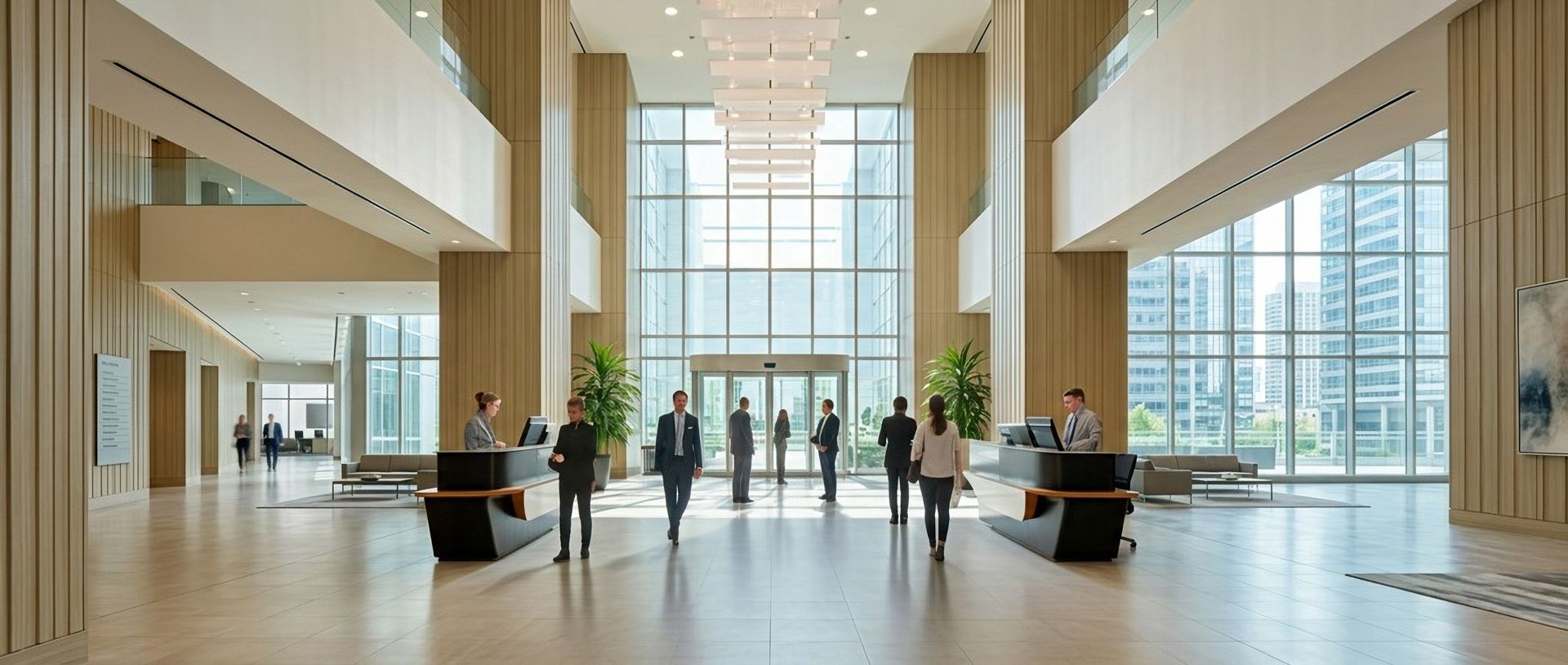
Whether you’re overseeing an office complex, a manufacturing plant, a public institution, or a warehouse, outdated electrical systems can expose you to unnecessary risks, inefficiencies, and compliance challenges. By proactively addressing these issues, you ensure your facility is equipped to handle evolving operational needs and regulatory requirements.

Recognizing the Signs: When Is It Time for Electrical System Upgrades?

Identifying the right moment to invest in commercial electrical solutions can save you from costly downtime, safety hazards, and regulatory penalties. Look for these indicators that suggest your facility is due for an upgrade:

  • Frequent circuit breaker trips or blown fuses
  • Inconsistent power supply or voltage fluctuations
  • Overloaded panels or insufficient capacity for new equipment
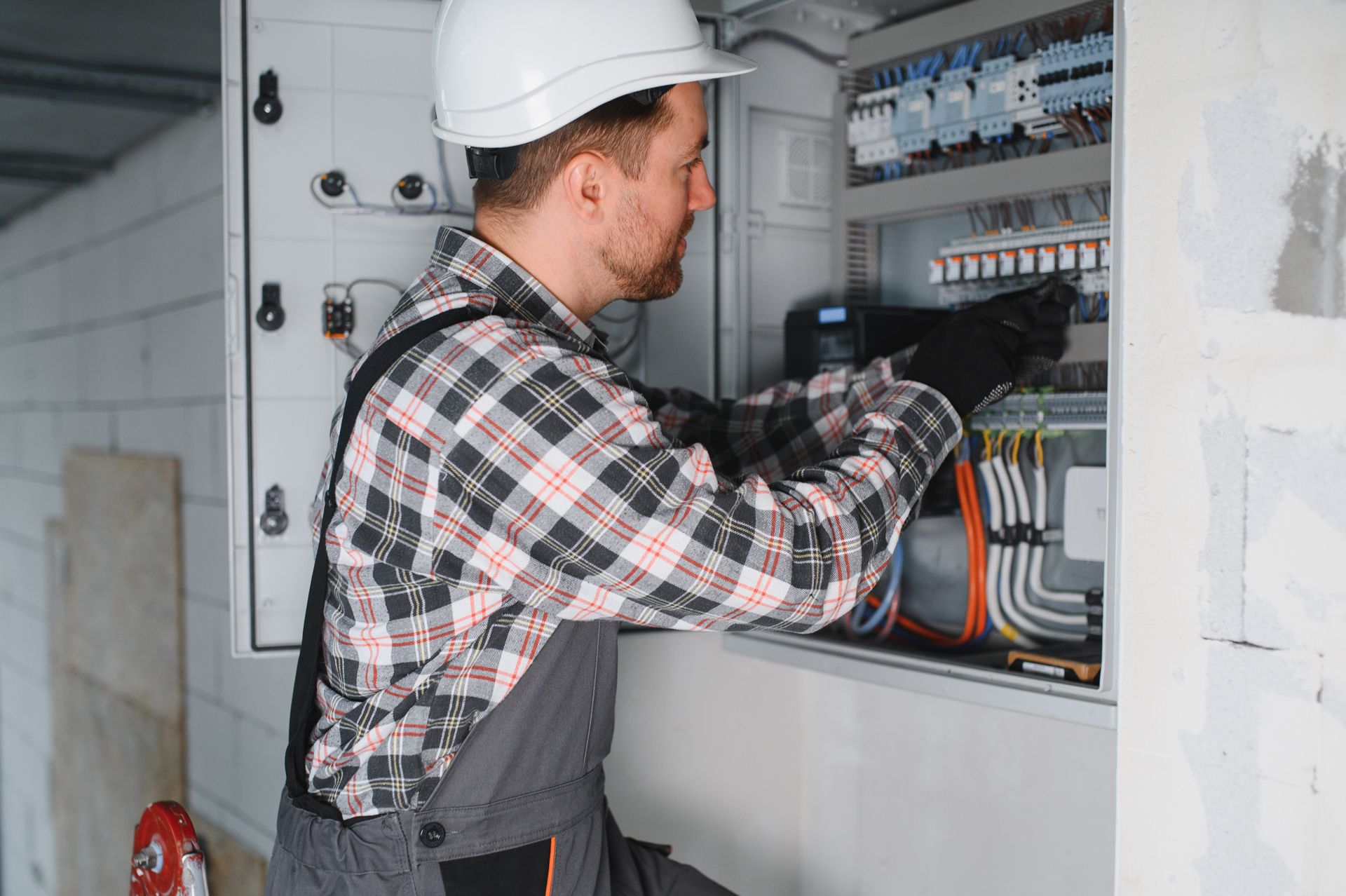
  • Outdated wiring or electrical panels that no longer meet current codes
  • Increasing maintenance costs and recurring electrical repairs
  • Expansion plans that require additional power or advanced systems

If you notice any of these warning signs, it’s time to assess your infrastructure and consider how industrial electrical upgrades can future-proof your operations.

Key Drivers Behind Facility Modernization

Upgrading your facility’s electrical systems goes far beyond addressing immediate issues. Modernization is driven by several critical factors that directly impact your business continuity, safety, and competitiveness:

  • Technological Advancements: New machinery, automation, and smart building technologies require robust and adaptable electrical systems.
  • Energy Efficiency: Modern electrical solutions can significantly reduce energy consumption and costs, supporting sustainability goals.
  • Regulatory Changes: Compliance with updated electrical codes and standards is essential for avoiding fines and ensuring occupant safety.
  • Security Integration: Advanced security systems, including CCTV, access control, and alarms, depend on reliable electrical and communication infrastructure.
  • Business Growth: As your operations expand, so does your need for scalable power distribution and data connectivity.

Understanding these drivers allows you to make informed decisions about which upgrades will deliver the greatest return on investment for your facility.

Planning for Electrical Compliance: Staying Ahead of Regulations

Electrical compliance is a dynamic target, influenced by evolving safety codes, industry standards, and local regulations. Failing to keep pace can result in significant liabilities, operational disruptions, or even shutdowns. When evaluating your facility for electrical system upgrades, consider the following compliance-related priorities:

  • Code Adherence: Ensure all installations and modifications meet the latest National Electrical Code (NEC) and any state or municipal requirements.
  • Documentation: Maintain accurate records of inspections, maintenance, and upgrades to demonstrate compliance during audits.
  • Safety Standards: Upgrade protective devices, grounding systems, and emergency lighting to align with current safety protocols.
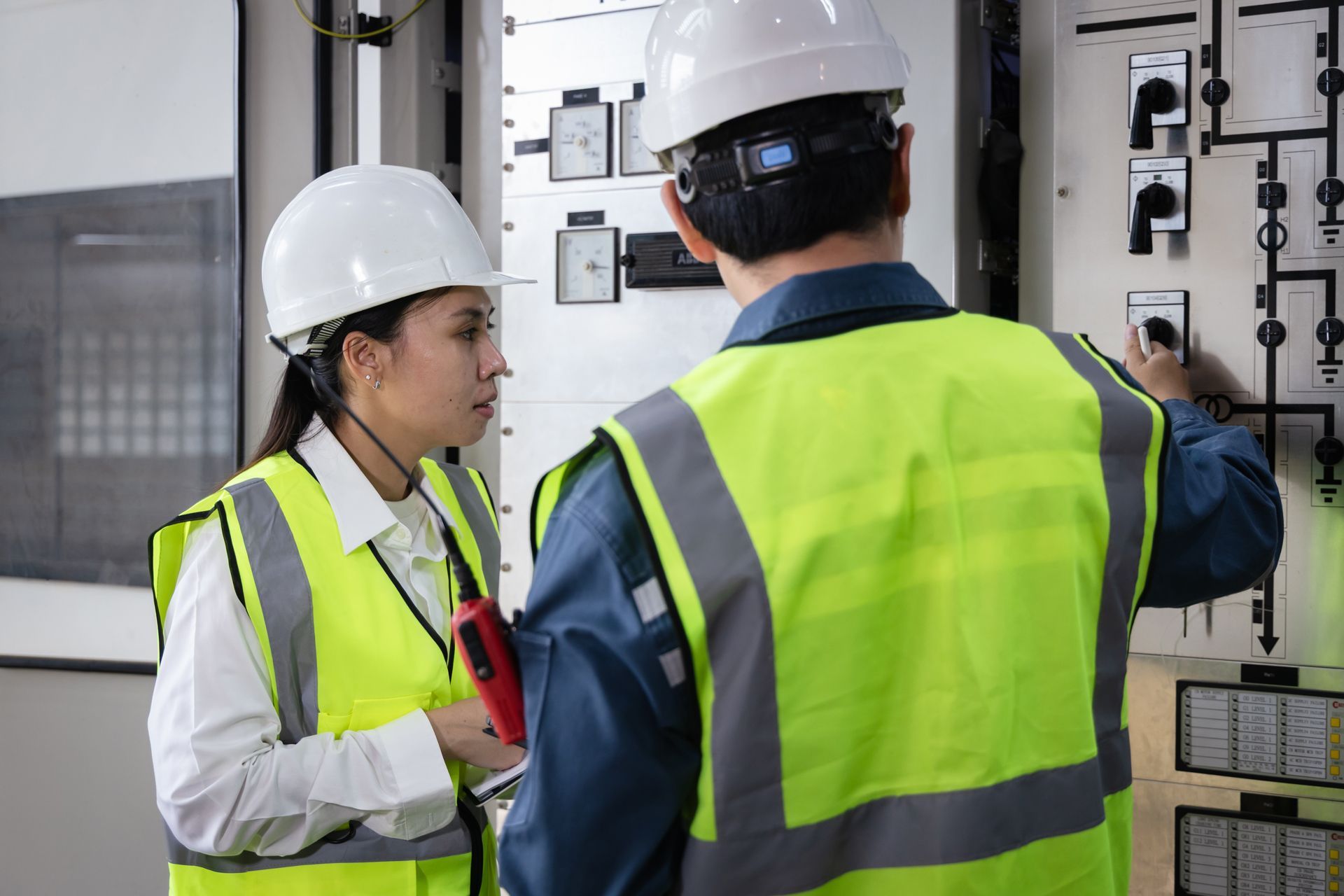
  • Accessibility: Confirm that electrical panels and controls remain accessible and properly labeled for emergency response teams.

Partnering with a provider experienced in commercial electrical solutions ensures your upgrades are designed and executed with full regulatory compliance in mind, reducing your exposure to risk.

Scalability and Flexibility: Designing for Future Growth

A forward-thinking approach to facility modernization involves more than just meeting today’s needs. Your electrical infrastructure should be engineered to accommodate future expansion, technology integration, and evolving business models. Key considerations include:

  • Modular Panel Systems: Choose electrical panels that allow for easy additions or reconfiguration as your facility grows.
  • Capacity Planning: Assess your projected power requirements and design systems that can handle additional loads without costly overhauls.
  • Flexible Wiring Solutions: Implement conduit and cabling systems that can be easily upgraded or rerouted for new equipment or layout changes.
  • Integration Readiness: Prepare your infrastructure for emerging technologies, such as smart sensors, IoT devices, and energy management systems.

By focusing on scalability and flexibility, you position your facility to respond quickly to new opportunities and operational demands without disruptive or expensive upgrades down the line.

Energy Efficiency and Sustainability in Electrical System Upgrades

Energy efficiency is no longer just a cost-saving measure—it’s a core component of responsible facility management and environmental stewardship. Modernizing your electrical systems opens the door to a range of sustainable solutions, from LED lighting retrofits to advanced automation and renewable energy integration. Consider these strategies as part of your industrial electrical upgrades:

  • High-Efficiency Lighting: Transition to LED fixtures and smart controls to reduce energy consumption and maintenance costs.
  • Power Monitoring: Install advanced metering systems to track usage patterns and identify areas for further optimization.
  • Demand Response: Implement systems that adjust power usage during peak periods to lower utility expenses and support grid stability.
  • Renewable Integration: Prepare your electrical infrastructure to accommodate solar panels, battery storage, or other green energy sources.
  • Building Automation: Integrate HVAC, lighting, and security systems for centralized control and enhanced efficiency.

Investing in energy-efficient upgrades not only lowers your operational costs but also demonstrates your commitment to sustainability—an increasingly important factor for clients, tenants, and regulatory bodies alike.

Minimizing Downtime: Strategies for Seamless Electrical Upgrades

One of the most pressing concerns for any facility manager is how to implement electrical system upgrades with minimal disruption to daily operations. Effective planning and execution are key to ensuring business continuity throughout the modernization process. To achieve a smooth transition, consider these best practices:

  • Phased Implementation: Schedule upgrades in stages to maintain critical systems and avoid complete shutdowns.
  • After-Hours Work: Coordinate with your provider to complete high-impact tasks during off-peak hours or planned closures.
  • Temporary Power Solutions: Utilize backup generators or temporary power feeds to keep essential equipment running during upgrades.
  • Clear Communication: Keep all stakeholders informed about timelines, expected impacts, and contingency plans.

By proactively addressing these operational challenges, you can achieve facility modernization goals without sacrificing productivity or safety.

Choosing the Right Partner for Commercial Electrical Solutions

Upgrading your facility’s electrical systems is a significant investment that demands expertise, precision, and a commitment to quality. Selecting the right provider is crucial for ensuring your project meets all technical, regulatory, and operational requirements. When evaluating potential partners for your commercial electrical solutions, prioritize those who offer:

  • Comprehensive Services: From initial assessment and design to installation, maintenance, and emergency support.
  • Industry Experience: A proven track record in commercial, industrial, and public sector environments.
  • Regulatory Knowledge: Up-to-date understanding of electrical compliance and safety standards.
  • Innovative Solutions: The ability to integrate advanced technologies and energy-efficient systems.
  • Responsive Support: Rapid response capabilities for troubleshooting and emergency electrical services.

Working with a trusted partner ensures your industrial electrical upgrades are completed on time, within budget, and to the highest standards of safety and performance.

Integrating Smart Technologies for Advanced Facility Modernization

As you consider electrical system upgrades, integrating smart technologies is a key strategy for future-proofing your facility. The evolution of industrial electrical upgrades now includes intelligent automation, remote monitoring, and advanced analytics. These innovations not only improve operational efficiency but also provide you with real-time insights, enabling proactive decision-making and enhanced asset management.

  • Smart Panels and Circuit Breakers: Modern panels equipped with digital monitoring capabilities allow you to track energy consumption, detect faults, and manage loads remotely. This data-driven approach helps you optimize usage and prevent costly outages.
  • Building Management Systems (BMS): By centralizing control of HVAC, lighting, and security systems, a BMS streamlines facility operations and reduces energy waste. Seamless integration with upgraded electrical infrastructure ensures maximum compatibility and flexibility.
  • IoT Sensors: Deploying sensors throughout your facility enables real-time monitoring of temperature, humidity, occupancy, and equipment status. This information is invaluable for predictive maintenance and compliance reporting.
  • Remote Diagnostics: With advanced communication systems, service providers can troubleshoot and resolve electrical issues remotely, minimizing downtime and reducing the need for on-site interventions.

By incorporating these smart technologies into your commercial electrical solutions, you not only enhance safety and compliance but also set the foundation for scalable growth and digital transformation.

Addressing Power Quality and Reliability in Electrical System Upgrades

Power quality is a critical factor in maintaining the reliability and longevity of your facility’s equipment. Fluctuations in voltage, harmonics, and transient disturbances can lead to equipment failures, data loss, and increased maintenance costs. When planning for facility modernization, it’s essential to address these challenges through comprehensive electrical system upgrades.

  • Surge Protection: Installing surge protective devices at key points in your electrical distribution system safeguards sensitive equipment from voltage spikes caused by lightning or switching operations.
  • Uninterruptible Power Supplies (UPS): UPS systems provide backup power during outages, ensuring continuity for critical operations such as data centers, security systems, and production lines.
  • Power Conditioners: These devices filter out electrical noise and harmonics, protecting your machinery and electronics from premature wear and malfunction.
  • Redundant Power Feeds: Designing your infrastructure with multiple power sources enhances reliability and minimizes the risk of total system failure.

Investing in power quality solutions as part of your commercial or industrial electrical upgrades not only protects your assets but also supports uninterrupted business operations and compliance with industry standards.

Enhancing Safety Through Modern Electrical Compliance

Safety is non-negotiable when it comes to electrical system upgrades. Modernizing your facility’s electrical systems is an opportunity to incorporate advanced safety features and exceed regulatory requirements. By addressing potential hazards proactively, you reduce liability and create a safer environment for staff and visitors.

  • Arc Fault Detection: Upgraded panels and breakers equipped with arc fault technology can detect dangerous electrical arcs before they cause fires, offering an extra layer of protection.
  • Ground Fault Circuit Interrupters (GFCIs): Installing GFCIs in critical areas helps prevent electrical shock and complies with the latest electrical codes.
  • Emergency Power Off (EPO) Systems: EPO switches enable quick shutdown of electrical systems in case of fire or other emergencies, improving response times and minimizing damage.
  • Enhanced Labeling and Signage: Modern standards require clear, durable labeling of circuits, panels, and emergency shutoffs to facilitate safe operation and maintenance.

With a focus on electrical compliance, you ensure that your facility not only meets but exceeds safety expectations, reducing the risk of incidents and supporting your organization’s reputation for operational excellence.

Optimizing Communication Infrastructure During Electrical Upgrades

Reliable communication systems are essential for the smooth operation of any commercial or industrial facility. Upgrading your electrical infrastructure provides an ideal opportunity to enhance your data and communication networks, ensuring your facility is equipped for current and future demands.

  • Structured Cabling: Implementing organized cabling systems simplifies network management and supports high-speed data transfer throughout your facility.
  • Fiber Optic Integration: Upgrading to fiber optics increases bandwidth, improves network reliability, and future-proofs your communication infrastructure for advanced applications like video surveillance and building automation.
  • Wireless Access Points: Strategic placement of wireless access points ensures robust connectivity for mobile devices, IoT sensors, and remote monitoring systems.
  • Redundant Communication Paths: Designing your network with backup routes prevents single points of failure and maintains connectivity during outages or maintenance.

By integrating communication enhancements into your electrical system upgrades, you create a resilient digital backbone that supports operational efficiency and seamless information flow.

Project Management Best Practices for Electrical System Upgrades

Successful facility modernization hinges on meticulous project management. Coordinating complex electrical upgrades requires clear communication, detailed planning, and expert execution. Adopting proven best practices helps you minimize disruptions and achieve your goals efficiently.

  • Comprehensive Site Assessments: Begin with a thorough evaluation of your existing electrical and communication systems to identify vulnerabilities and opportunities for improvement.
  • Stakeholder Collaboration: Engage all relevant parties—from facility managers and IT teams to external contractors—early in the planning process to align objectives and expectations.
  • Detailed Scheduling: Develop phased timelines that account for critical operations, minimizing the impact on daily activities and production schedules.
  • Risk Mitigation Plans: Identify potential risks, such as supply chain delays or unforeseen site conditions, and establish contingency strategies to address them promptly.
  • Quality Assurance Checks: Implement rigorous testing and inspection protocols at each project milestone to ensure compliance and performance standards are met.

By adhering to these project management principles, you can navigate the complexities of commercial electrical solutions with confidence, keeping your project on track and within budget.

Budgeting and Cost Considerations for Facility Modernization

Investing in electrical system upgrades is a significant financial commitment, but it’s one that delivers measurable returns in reliability, safety, and operational efficiency. Careful budgeting and cost analysis are essential to maximize value and avoid unexpected expenses.

  • Lifecycle Cost Analysis: Evaluate the total cost of ownership, including installation, maintenance, energy savings, and potential incentives for energy-efficient upgrades.
  • Prioritization of Upgrades: Identify critical systems that require immediate attention and plan for phased improvements to spread costs over time.
  • Vendor Comparisons: Solicit detailed proposals from multiple providers to ensure competitive pricing and comprehensive service offerings.
  • Incentives and Rebates: Research available utility rebates, tax credits, and government incentives for implementing energy-efficient or renewable energy solutions.
  • Contingency Planning: Allocate a portion of your budget for unforeseen expenses that may arise during the upgrade process.

Strategic financial planning enables you to achieve your facility modernization objectives while maintaining fiscal responsibility and maximizing long-term benefits.

Maintaining Operational Continuity During and After Upgrades

Ensuring continuous operation throughout the upgrade process is a top priority for any facility manager. Disruptions can lead to lost productivity, missed deadlines, and dissatisfied tenants or customers. Implementing robust strategies to maintain operational continuity is essential.

  • Temporary Bypass Solutions: Use temporary power feeds or modular systems to keep essential operations online while permanent upgrades are installed.
  • Communication Protocols: Establish clear communication channels with staff, contractors, and stakeholders to provide real-time updates on project progress and any anticipated impacts.
  • After-Upgrade Testing: Conduct comprehensive system testing and commissioning to verify performance and address any issues before returning to full operational status.
  • Ongoing Support and Training: Provide training for facility personnel on new systems and offer ongoing support to address questions or concerns as they arise.

By prioritizing operational continuity, you ensure your facility remains productive, safe, and responsive to the needs of your organization and its clients.

Future Trends in Commercial and Industrial Electrical Upgrades

The landscape of commercial electrical solutions is rapidly evolving, driven by technological innovation, regulatory changes, and shifting business priorities. Staying ahead of these trends positions your facility for continued success and resilience.

  • Decentralized Energy Resources: Adoption of microgrids, on-site generation, and energy storage systems is increasing, offering greater control and reliability.
  • Predictive Maintenance: Leveraging AI and machine learning to anticipate equipment failures and schedule maintenance proactively reduces downtime and extends asset life.
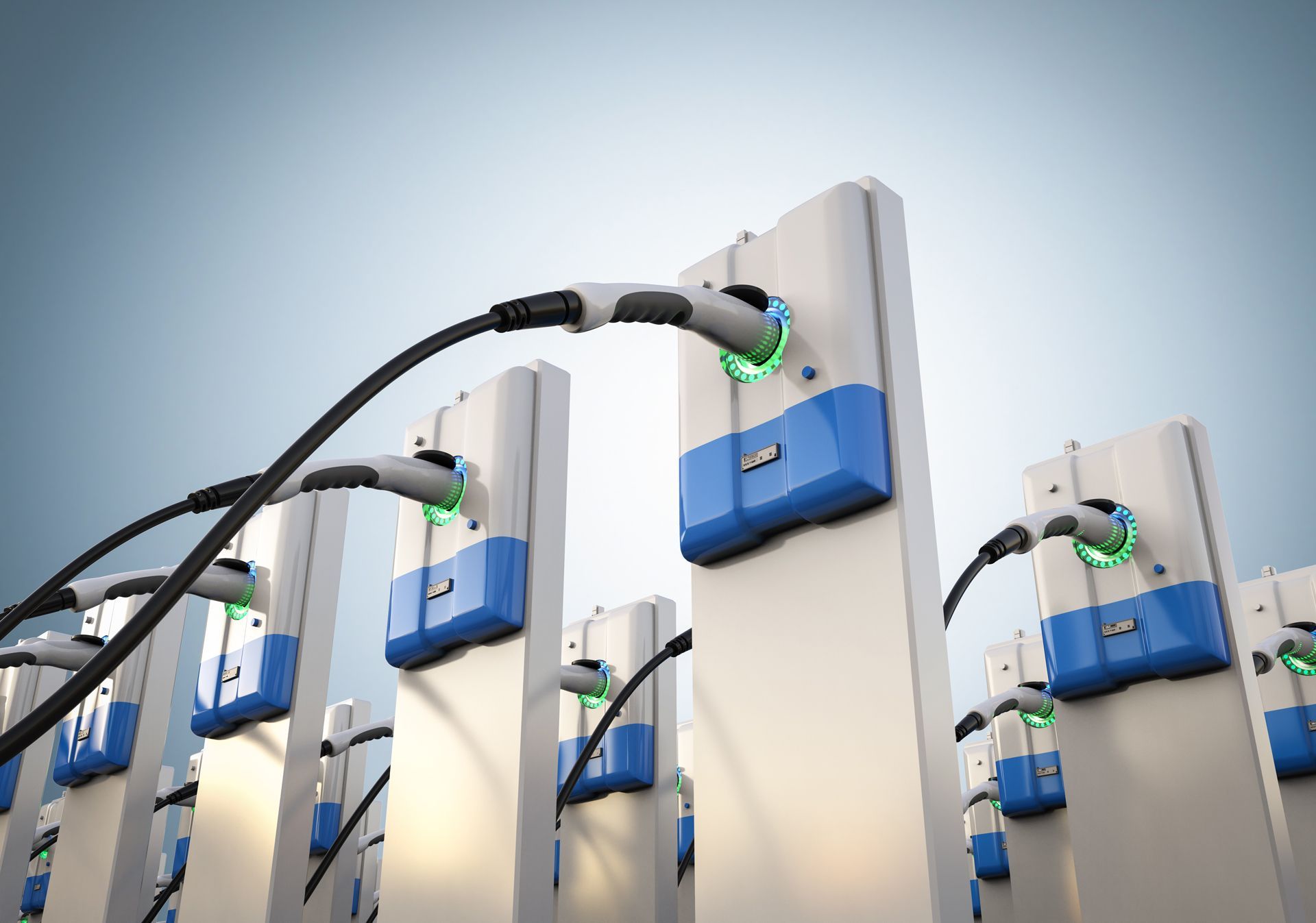
  • Electrification of Transportation: With the rise of electric vehicles, facilities are incorporating charging infrastructure as part of their electrical system upgrades.
  • Cybersecurity Integration: As more systems become connected, protecting your electrical and communication infrastructure from cyber threats is paramount.
  • Green Building Certifications: Pursuing certifications such as LEED or ENERGY STAR demonstrates a commitment to sustainability and can enhance property value.

Monitoring these trends and incorporating relevant innovations into your facility modernization strategy ensures your investments remain relevant and valuable well into the future.

Building Resilience with Proactive Maintenance and Upgrades

Staying ahead of electrical issues requires more than a reactive approach. Proactive maintenance, paired with timely electrical system upgrades, is the cornerstone of operational resilience. When you invest in regular inspections and preventive servicing, you reduce the risk of costly breakdowns, extend the lifespan of your infrastructure, and maintain compliance with evolving standards.

  • Routine System Assessments: Schedule periodic evaluations to identify wear, corrosion, or outdated components before they become hazards.
  • Preventive Component Replacement: Replace aging breakers, fuses, and wiring as part of your maintenance plan rather than waiting for failures to occur.
  • Thermal Imaging and Advanced Diagnostics: Use infrared scanning and digital monitoring tools to detect hidden faults, overheating, or electrical imbalances.
  • Documentation and Record-Keeping: Maintain detailed logs of inspections, repairs, and upgrades to streamline compliance checks and future planning.

By integrating these practices into your facility modernization strategy, you ensure that your commercial or industrial operations remain reliable and efficient, even as your needs evolve.

Addressing Industry-Specific Electrical Upgrade Challenges

Each sector faces unique challenges when it comes to implementing commercial electrical solutions. Recognizing and addressing these industry-specific requirements is critical for achieving optimal results.

  • Commercial Properties: Office buildings and retail centers often require upgrades to support high-density occupancy, advanced lighting controls, and robust communication networks. Prioritizing flexible distribution systems enables easy reconfiguration as tenants’ needs change.
  • Industrial Facilities: Manufacturing plants and warehouses demand electrical upgrades that accommodate heavy machinery, automated production lines, and strict safety protocols. Solutions must be engineered for high capacity, redundancy, and resistance to harsh environments.
  • Public Institutions: Schools, government buildings, and municipal facilities must balance security, accessibility, and energy efficiency. Upgrades often include integration of security systems, emergency power, and ADA-compliant controls.
  • Construction and Development: New builds and major renovations benefit from scalable infrastructure, allowing for future expansion and technology integration without disruptive overhauls.

Understanding the nuances of your industry ensures your electrical system upgrades deliver the performance, safety, and flexibility your operations demand.

Compliance Audits and Documentation for Electrical Upgrades

Meeting regulatory obligations is a foundational aspect of any facility modernization project. Comprehensive audits and meticulous documentation are required to demonstrate that your electrical system upgrades align with local codes and industry standards.

  • Pre-Upgrade Compliance Review: Conduct a thorough assessment of current systems to identify gaps and prioritize upgrades that support regulatory adherence.
  • Permitting and Inspection Coordination: Work closely with local authorities and inspectors to secure necessary permits and schedule timely evaluations throughout the upgrade process.
  • System Certification: Ensure all installations receive the proper certifications and approvals, reducing liability and supporting insurance requirements.
  • Ongoing Record Maintenance: Keep all compliance documentation, test results, and inspection reports organized and accessible for future reference.

By embedding compliance into every phase of your electrical system upgrades, you safeguard your facility from penalties and ensure uninterrupted operations.

Integrating Security and Access Control with Electrical System Upgrades

Modern facilities demand more than just reliable power—they require integrated solutions that enhance security and streamline access management. Upgrading your electrical systems provides a valuable opportunity to embed advanced security features into your infrastructure.

  • CCTV and Surveillance: Ensure your facility is equipped with high-definition cameras, secure data transmission, and uninterrupted power supplies for continuous monitoring.
  • Access Control Systems: Upgrade to keycard, biometric, or mobile-enabled access points that integrate seamlessly with your updated electrical and communication networks.
  • Alarm and Intrusion Detection: Implement sensors and alarms that are powered by reliable, redundant electrical circuits to maintain security even during outages.
  • Centralized Security Management: Leverage unified platforms that allow you to monitor, control, and respond to security events from a single interface.

By incorporating security enhancements into your commercial electrical solutions, you protect people, assets, and data while supporting compliance with industry regulations.

Supporting Sustainability Goals with Renewable Energy Integration

Incorporating renewable energy sources into your facility’s electrical upgrades is a strategic move toward sustainability. Whether your objective is to reduce your carbon footprint, lower operating costs, or meet regulatory mandates, integrating solar panels, battery storage, or energy management systems positions your facility for a greener future.

  • Solar Power Installations: Design your electrical infrastructure to support rooftop or ground-mounted solar arrays, maximizing energy independence and cost savings.
  • Battery Storage Systems: Install on-site storage to capture excess solar energy, provide backup during grid outages, and participate in demand response programs.
  • Energy Management Platforms: Monitor and optimize energy consumption in real time, identifying opportunities to shift loads and reduce peak demand charges.
  • Grid Interconnection: Ensure your upgraded systems meet utility requirements for safe and efficient connection to the public grid.

These sustainable solutions not only advance your environmental objectives but also enhance facility resilience and operational flexibility.

Leveraging Data and Analytics for Smarter Facility Modernization

Advanced analytics and real-time data are transforming the way commercial and industrial facilities approach electrical system upgrades. When you harness the power of data, you gain actionable insights that drive smarter decision-making, optimize performance, and support predictive maintenance.

  • Energy Usage Dashboards: Visualize consumption trends across your facility, enabling targeted efficiency improvements.
  • Predictive Maintenance Alerts: Receive automated notifications when system parameters deviate from normal, allowing you to address issues before they escalate.
  • Asset Performance Monitoring: Track the health and utilization of critical equipment to prioritize upgrades and allocate resources efficiently.
  • Regulatory Reporting: Simplify compliance with automated generation of reports for inspections, audits, and sustainability certifications.

By embedding analytics into your electrical and communication systems, you create a culture of continuous improvement and operational excellence.

Ensuring Business Continuity with Emergency Electrical Services

No matter how robust your infrastructure, unexpected events can still occur. Having access to emergency electrical services is essential for maintaining business continuity and minimizing downtime. A trusted partner will provide rapid response and expert troubleshooting when you need it most.

  • 24/7 On-Call Support: Access skilled technicians around the clock to address urgent issues and restore operations quickly.
  • Critical System Repairs: Prioritize repairs for essential equipment such as servers, security systems, and production lines to minimize disruption.
  • Disaster Recovery Planning: Develop and test contingency plans that outline procedures for power restoration, equipment replacement, and communication during emergencies.
  • Post-Incident Analysis: Conduct thorough reviews after incidents to identify root causes and implement preventive measures moving forward.

Reliable emergency support ensures your facility remains safe, compliant, and operational under any circumstances.

Partnering for Success in Electrical System Upgrades

Choosing a partner with proven expertise in commercial electrical solutions can make all the difference in your facility modernization journey. You deserve a provider who understands the complexities of your industry, offers innovative and compliant solutions, and stands by you from initial assessment through ongoing support.

  • Comprehensive electrical design, installation, and preventative maintenance
  • Integration of advanced communication and security systems
  • Energy-efficient and renewable energy solutions
  • 24/7 emergency electrical services for critical infrastructure
  • Expert project management and regulatory compliance guidance

With the right partner, you can confidently navigate the evolving demands of modernization, compliance, and sustainability—empowering your facility to thrive both now and in the future.

If you are ready to explore how your facility can benefit from expertly managed electrical system upgrades, reach out directly to service@upands.com for expert guidance and responsive support.


READ MORE BLOG ARTICLES

Top